BEGINNER HELP
Beginner RC Crawler Guide
New to RC rock crawling? This complete guide helps you pick the best first crawler for your budget and where you'll drive — from micro indoor rigs to 1/10-scale trail trucks — then learn the basics and get out on the rocks.
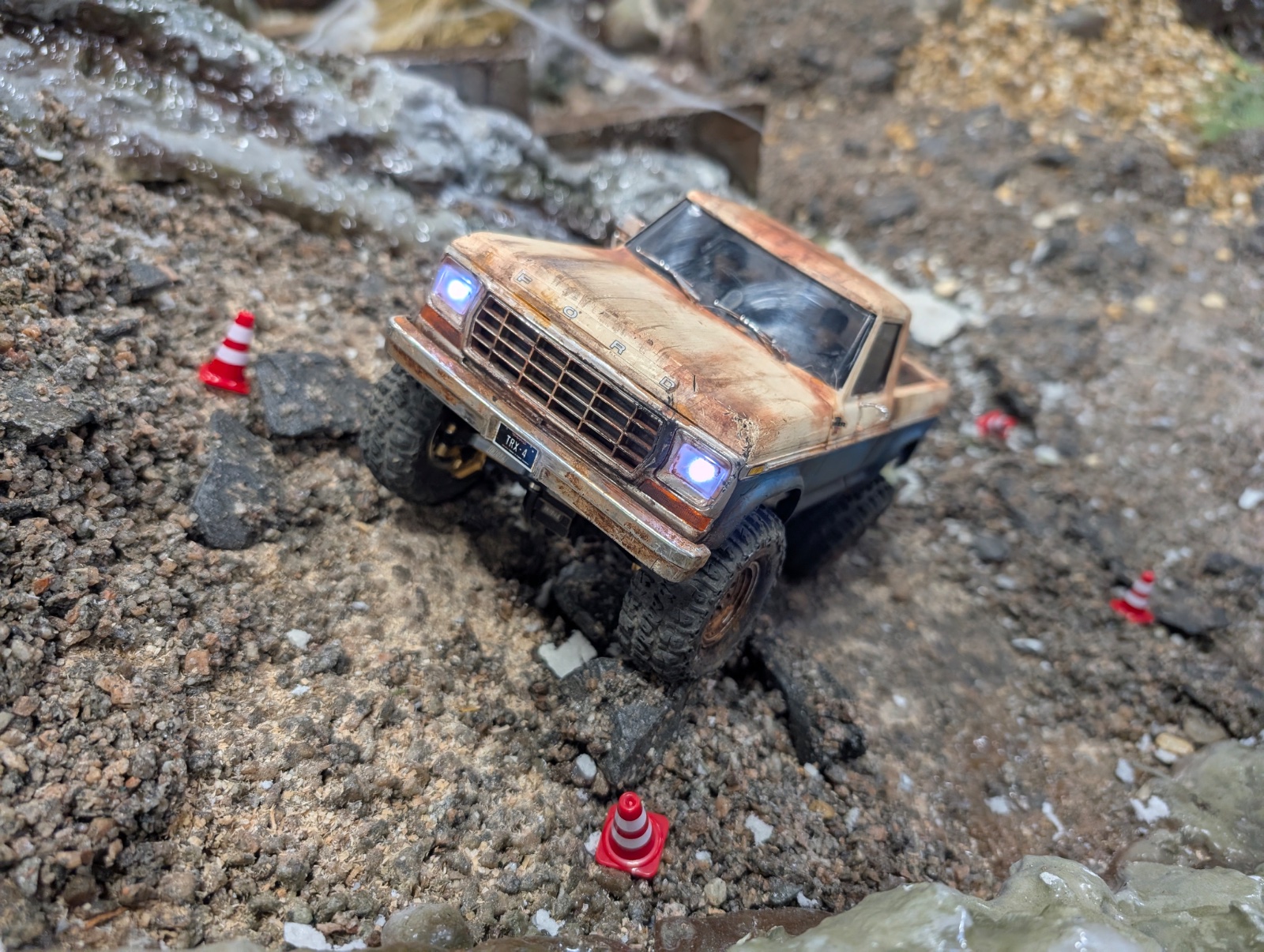
Overwhelmed by choice? We get it!
Picking your first RC crawler can be tough. Start with two questions: what do you want to do — tackle outdoor trails, compete in events, build realistic scale models, or just have fun with the kids? And what's your budget? RC crawlers range from around £80 to thousands of pounds.
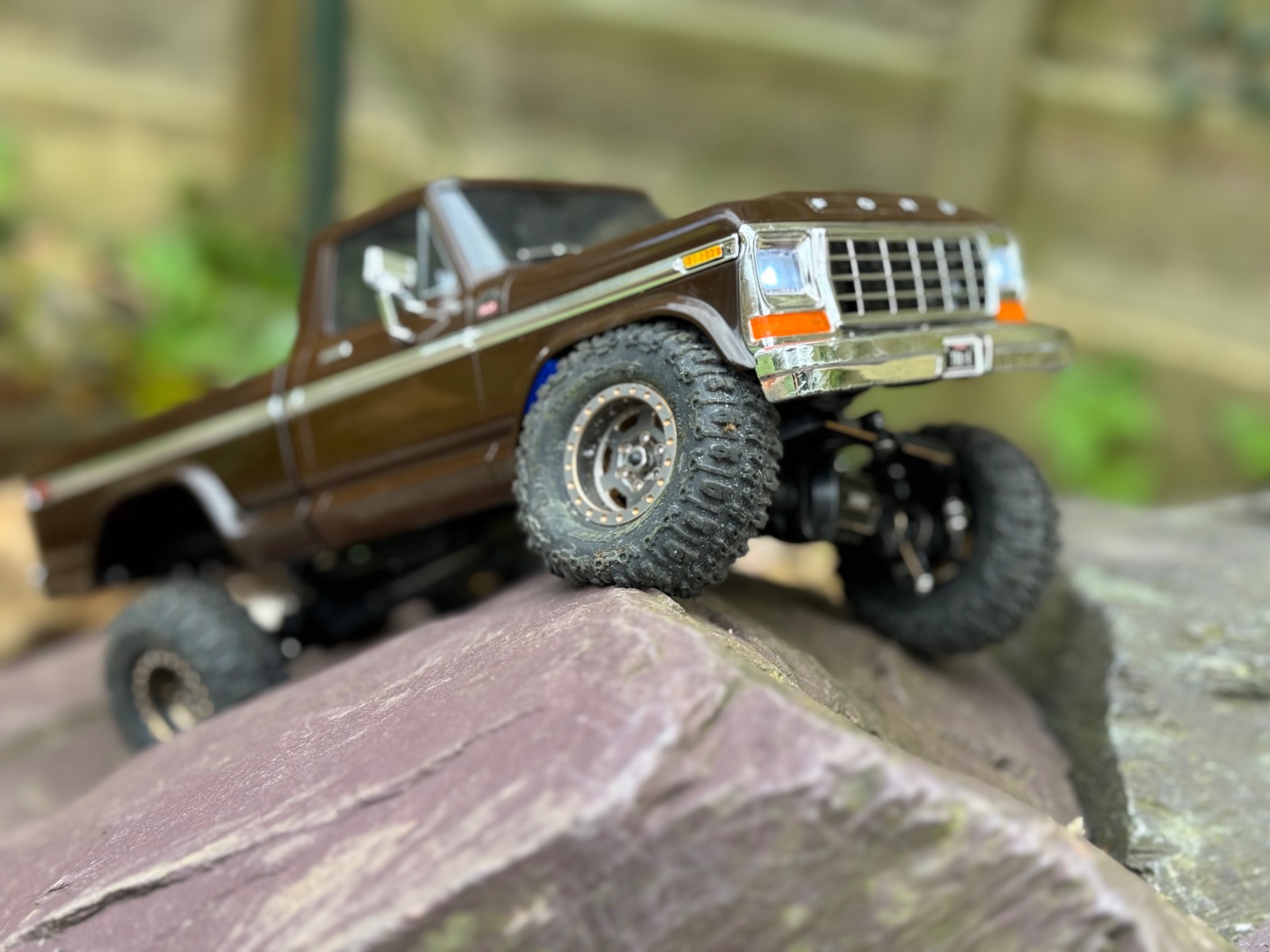
Mini Crawlers · £80–£200+
Affordable, compact, and drivable indoors or out. Perfect for beginners and those with limited space.
Recommendations: Axial SCX24, FMS FCX24 / FCX24M / FCX18, Traxxas TRX-4M, FTX Utah — and many others.
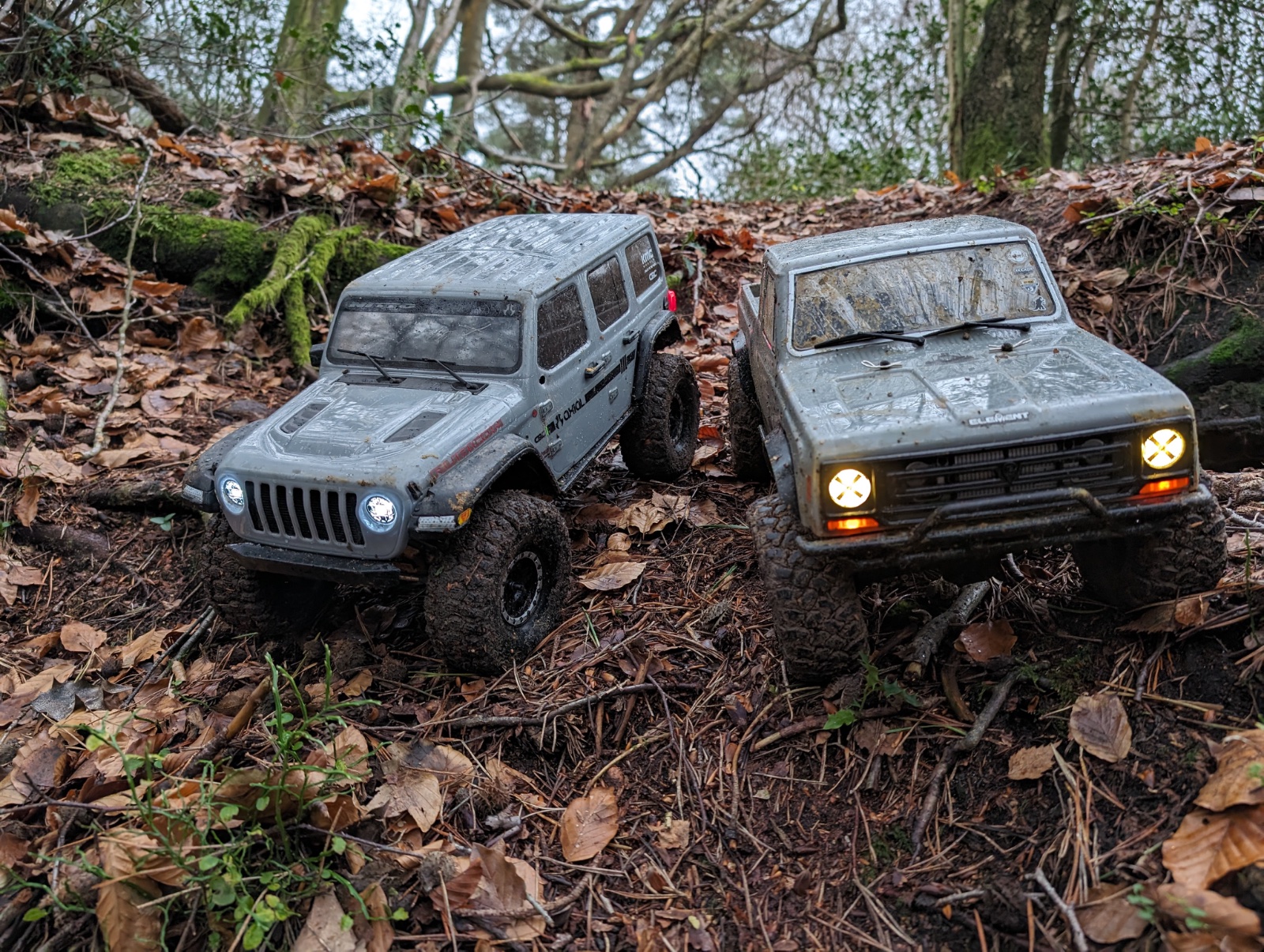
Trail Trucks · £200–£500+
Larger and built for off-road adventures, with more power and capability for challenging outdoor terrain.
Recommendations: Element Enduro SE, Axial SCX10 III Basecamp, FTX Outback Tracker, FMS FCX10, Traxxas TRX-4 Sport.
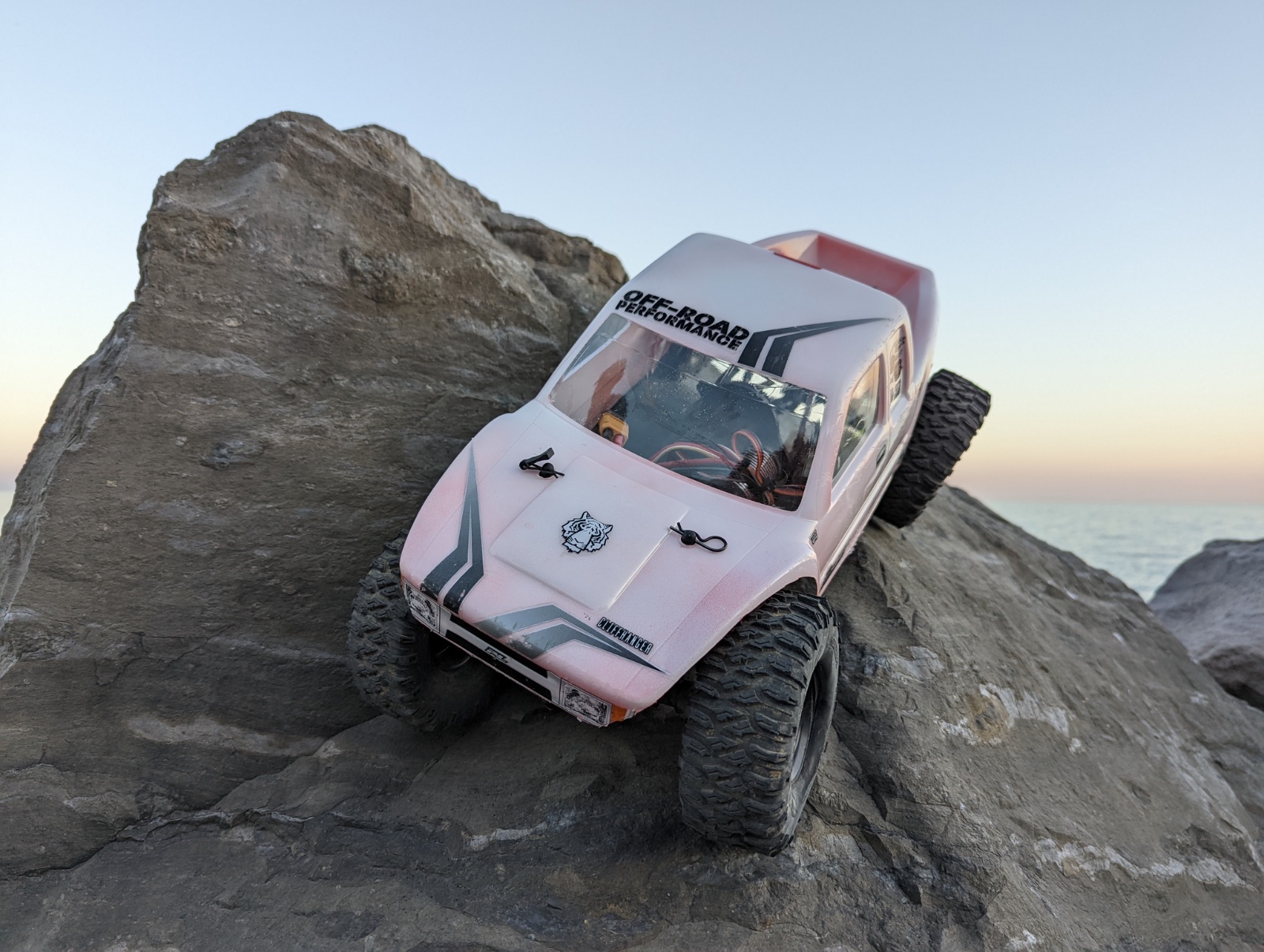
Competition Crawlers · £400–£1000+
Built for performance — highly customised with advanced features for competitive rock crawling. At the top end you'll build from parts, starting with something like a GCRC Cayman chassis plus Treal and Reefs components.
Recommendations: Vanquish VS4-10 Fordyce, Traxxas TRX-4 Defender, RC4WD Trail Finder 2, Axial Capra 4WS.
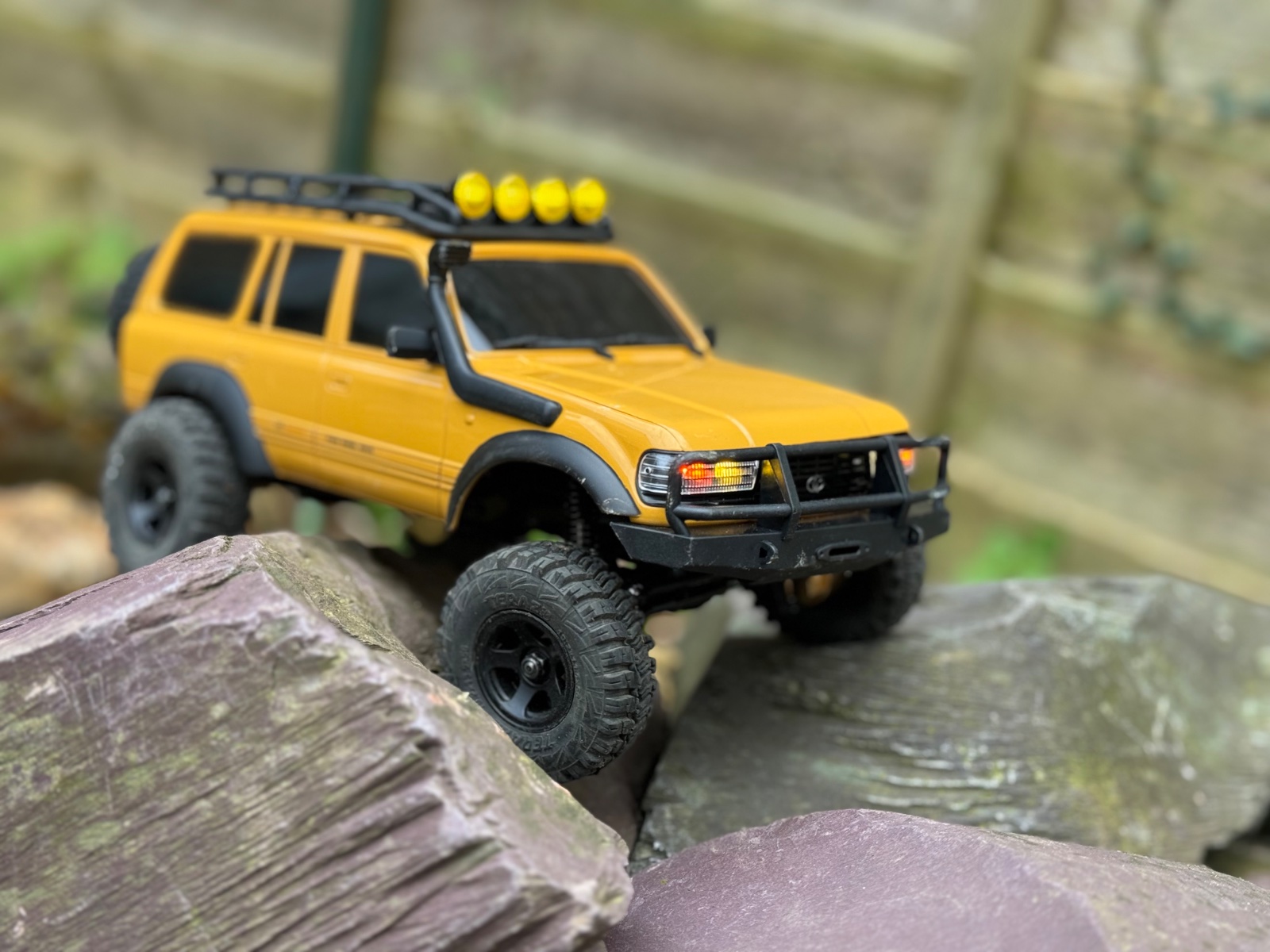
Our starting-point tip
We recommend starting with a mini crawler. They're budget-friendly, easy to handle and need less space. Once you gain experience, explore larger and more complex trucks.
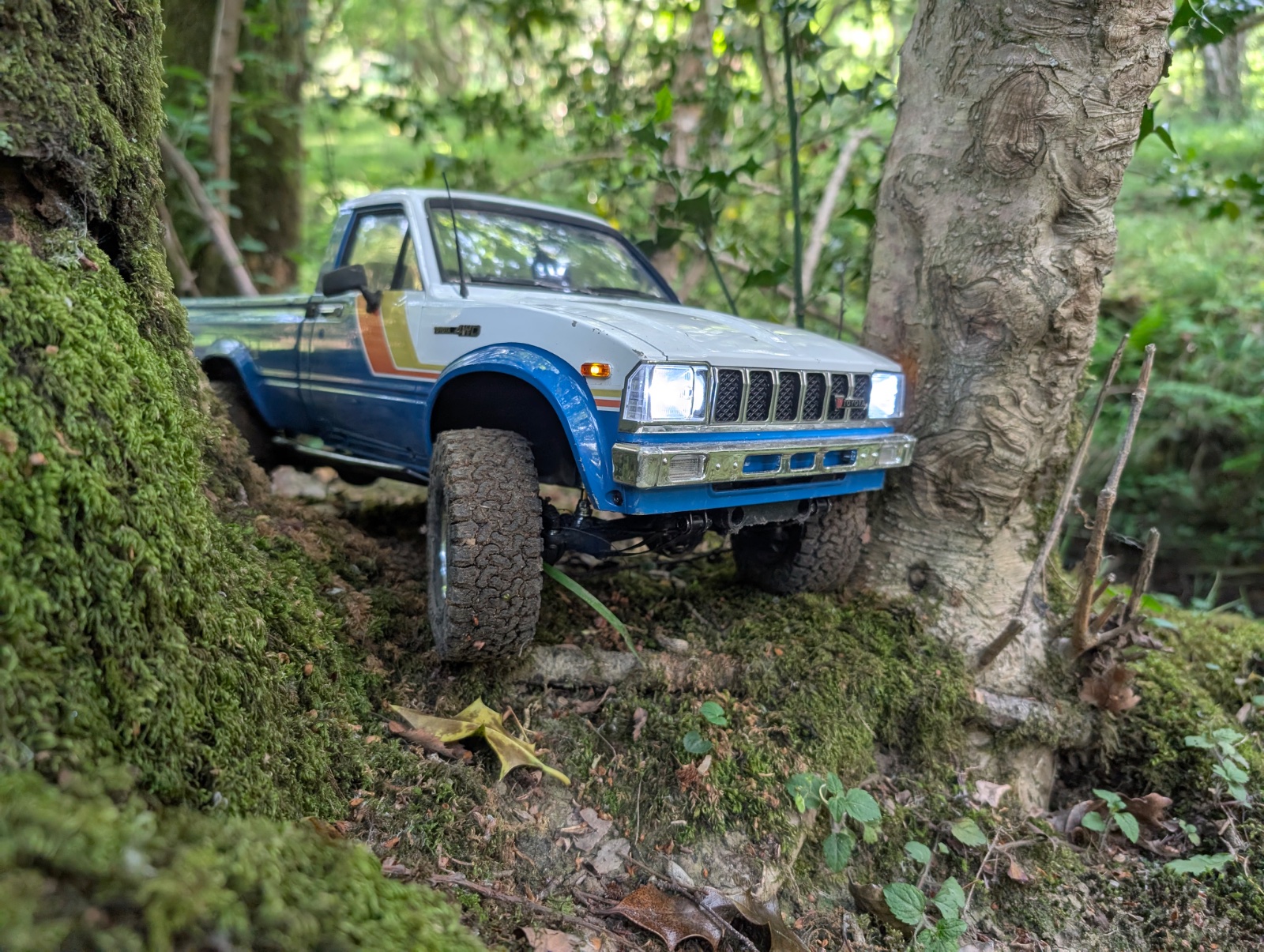
I've just bought an RTR — what now?
1. Unbox & charge — get familiar with the parts and fully charge the battery.
2. Find your terrain — a backyard, local park, or pile of rocks makes a great first course.
3. Start crawling — take it slow; try grass, dirt and rocks, and feel how it handles inclines and obstacles.
4. Test its limits — see how steep a hill it climbs or how far it tilts before tipping. It's all part of learning.
Then join your local club to meet fellow crawlers, learn techniques and find trails.
What upgrades do I need?
A few principles to keep in mind:
• Less is more — a lighter truck is generally more agile off-road.
• Low and forward — keep weight low and forward to resist tipping. Move parts around before adding weight.
• Weight distribution — aim for roughly 60/40 front/rear to help the front tyres grip on climbs.
• Unsprung vs sprung weight — Always add unsprung weight first to help with body roll
• Rotational mass — lighter wheels and tyres improve performance and battery run time.
Upgrade for YOUR truck, terrain and driving style — copying others doesn't always give the best result.
What order should I upgrade in?
1. Servo horn — swap a plastic horn for metal for durability and steering precision.
2. Tyres — the single most impactful upgrade; match them to your terrain.
3. Servo — a 25–35kg metal-gear servo improves steering power and response.
4. Electronics (ESC & motor) — upgrade for more speed or control.
5. Battery — higher capacity for longer runs; smaller packs save weight and aid balance.
Focus on real needs, do your research, and enjoy the process.